
Copenhagen
Primary hub with A320, A330 and A350 operations including European and long-haul flying.

The information below provides a high-level overview of what life and employment at SAS can look like for pilots. Employment conditions are governed by applicable collective agreements and may vary by country, AOC, and operational requirements.
When you join SAS, you will go through a structured onboarding and training period designed to support a smooth transition into line operations.
Your first months typically include company induction and systems training, simulator training and checking, base and fleet familiarisation, and supervised line flying with training captains.
This phase allows you to build confidence, learn SAS procedures and integrate into the crew community before operating fully independently.
Throughout this period, you will be supported by experienced instructors, trainers and colleagues to ensure a safe and professional start to your career at SAS.
Primary hub with A320, A330 and A350 operations including European and long-haul flying.

An important Scandinavian base combining regional and international flying, including operations in challenging weather and terrain.
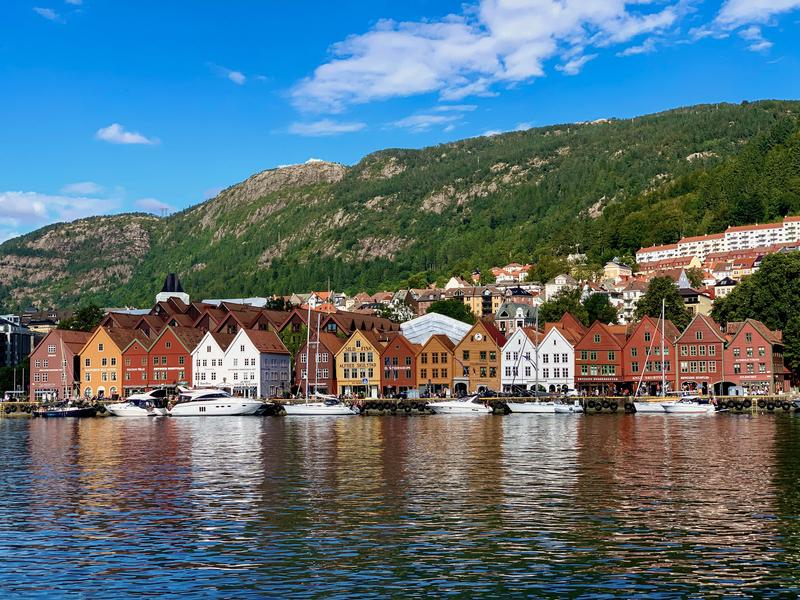
Regional base with Embraer E195 operations serving domestic and regional routes

A major SAS hub serving both regional and longer European routes in a busy and varied operating environment.

A key European base supporting SAS’s international network with high-frequency routes between the UK and Scandinavia.
Fleet assignment is based on operational needs, but SAS offers long-term career mobility across fleets. Pilots may start, for example, as a First Officer on the Embraer E195, upgrade to Captain on that aircraft, and later progress to command on larger aircraft such as the Airbus A320 or A330, subject to vacancies, qualifications and operational requirements.
SAS has two rostering systems: Variable Group and Fixed Group. All new pilots are placed in Variable Group. Variable Group has a minimum of 11 days off per month, with the ability to influence free weekends and two additional free days through the bidding system

Career progression at SAS is influenced by a combination of operational needs, fleet structure, experience, and applicable collective agreements. Upgrade opportunities and timelines therefore vary and are not fixed.
SAS offers long-term career paths, including opportunities to progress to Captain, as well as roles within training, standards, and other operational functions, subject to qualifications and organisational needs. There are no fixed timelines for upgrades; progression is influenced by seniority, performance, fleet demand and training capacity.

Start your career as a First Officer in a professional, multi-crew environment with strong training and support.
What does it take?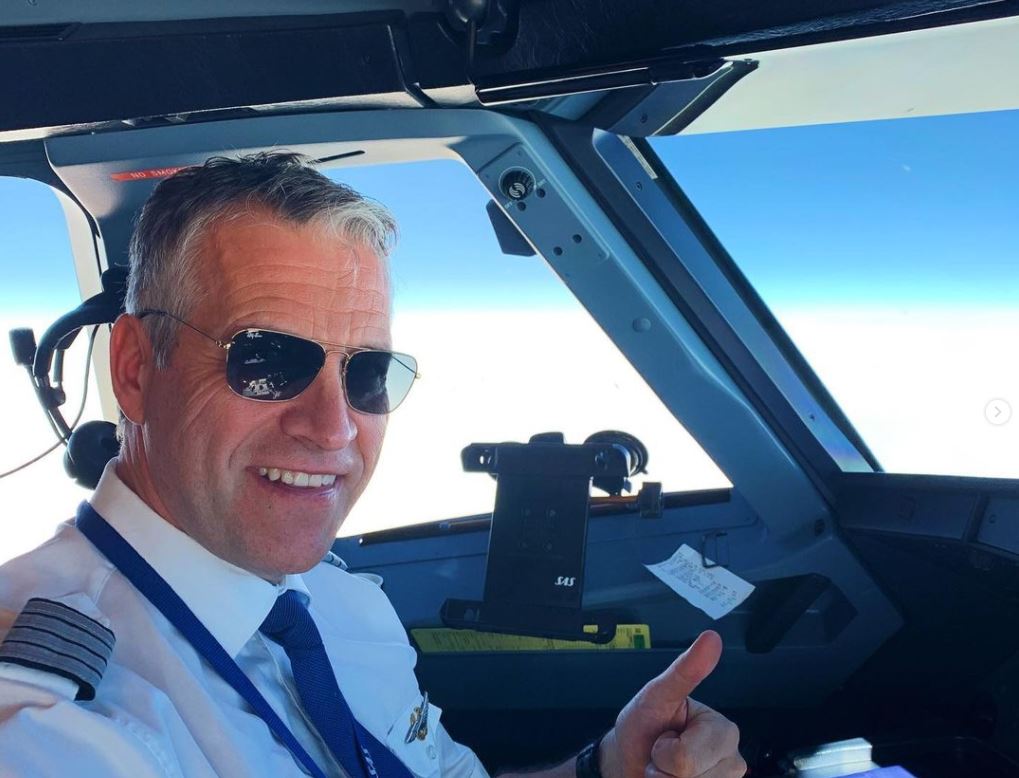
Progress to command through experience and performance, supported by structured command training.
Read more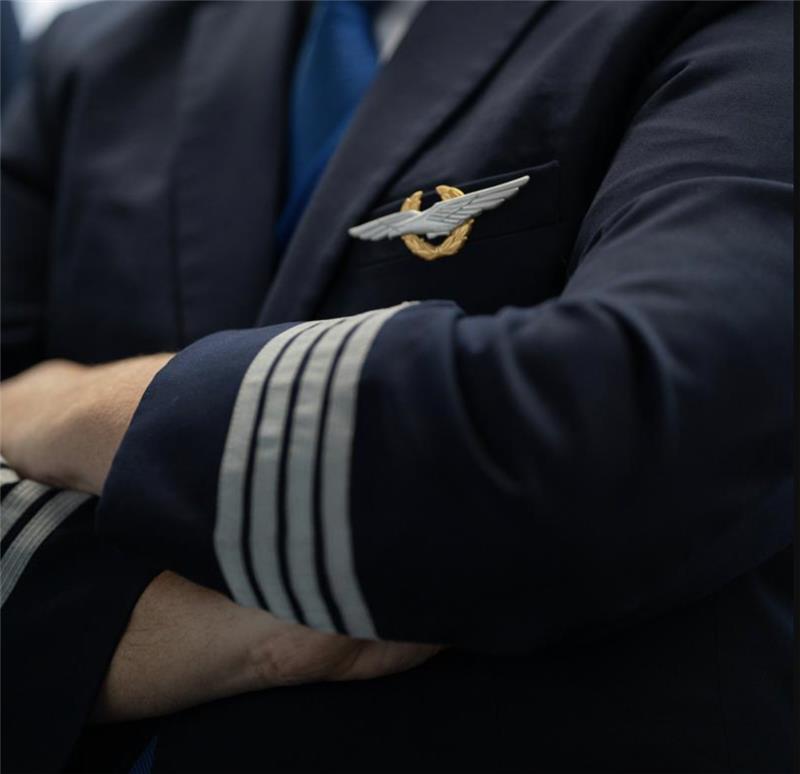
Contribute to developing the next generation of SAS pilots as an instructor or part of our training organisation.

Layover duration depends on flight length and destination. SAS provides hotel accommodation and transportation when required during layovers
Pilots in a full-time position are entitled to 42 calendar days of annual leave per year
Leave planning includes:
Leave allocation follows applicable agreements and operational requirements.

Pilot salary is paid monthly and follows a structured pay scale regulated by collective agreements. Entry-level salary and progression depend on experience and qualifications
Additional elements include:
ID tickets are a benefit provided to SAS employees, offering discounted flight tickets for
personal travel. The benefit of ID tickets is subject to the applicable policy for ID travel at any
given time
